EN
EN JP
JP
VA is committed to funding research to better understand, diagnose, assess, and treat PTSD. VA research has led the way in developing effective drug addiction psychotherapies for PTSD and exploring other approaches such as medications, behavioral interventions, and therapeutic devices. While PTSD doesn’t directly cause alcoholism, it can increase a person’s risk of developing an alcohol use disorder.
Nội dung
Treatment Must Address Both PTSD and Drinking.
Studies have shown that individuals with PTSD are significantly more likely to develop alcohol use problems compared to the general population. According to the National Center for PTSD, approximately 1 in 3 people who have experienced PTSD have also had problems with alcohol use at some point in their lives. This high rate of comorbidity underscores the intricate relationship between trauma and substance abuse. The interplay between PTSD and substance use disorder (SUD) often revolves around self-medication. Individuals suffering from PTSD might resort to drugs or alcohol in an attempt to alleviate symptoms such as anxiety, flashbacks, and distressing memories.
Success Rates and Demographics for Medication-Assisted Detox
Tailored approaches that address these co-occurring mental health issues are essential for effective recovery. Led by Michael P. Bogenschutz, MD, this double-blind, randomized, proof-of-concept study is designed to assess the feasibility and contrast effects of cannabidiol treatment to those of placebo on drinking-related outcomes in patients with alcohol use disorder. Researchers are evaluating the safety of extended daily cannabidiol, assessing the impact of cannabidiol on neuropsychological domains implicated in alcohol use disorder, and generating preliminary data on the impact of cannabidiol on alcohol consumption. “In a sense, the antidote is being rejected by the very people who need it most,” said Grim.
Medication-Assisted Treatment (MAT)
Now, individuals with comorbid AUD and PTSD, as well as their health care providers, have additional treatment options available. The second serotonin reuptake inhibitor study used a 2 X 2 designed and evaluated paroxetine (40 mg) with an active control, the noradrenergic antidepressant desipramine (200 mg) (Petrakis et al. 2012). Subjects were also randomized to receive naltrexone (50 mg) or placebo, resulting in 4 cells. In this section we describe the paroxetine and desipramine results and in the following section on AUD medications we cover the naltrexone results. Subjects in this study were 88 outpatients, with PTSD and current AD; they were mostly male (90%) veterans with an average age in their mid-40’s. There was a significant decrease over time in PTSD symptoms for all subjects as a group (significant effect of time), but no medication effect between the paroxetine and desipramine treated subjects.
Effects of Cannabidiol in Alcohol Use Disorder
IPS helped nearly twice as many participants in the study to get steady jobs as a program using transitional work. PTSD often interferes with a person’s ability to function at work, making it harder to stay employed or earn a higher income. However, in a large multisite clinical trial involving more than 300 combat Veterans whose results were published in 2018, the drug did no better than placebo pills in reducing nightmares. VA now believes the decision to use prazosin should be made by Veterans and their medical providers. VA’s National Center for PTSD (NCPTSD) is the world’s leading research and educational center of excellence on PTSD and other consequences of traumatic stress.
Start Your Recovery Today
Prolonged Exposure (PE) Therapy PE therapy helps veterans gradually and safely confront trauma-related memories and situations they’ve been avoiding. Studies show that trauma-focused cognitive behavioral psychotherapy for PTSD along with SUD treatment produces better outcomes than SUD-only treatment. In Behavioral Treatments for Alcohol Use Disorder and Post-Traumatic Stress Disorder, Flanagan and colleagues describe evidence-supported behavioral interventions for treating AUD, PTSD, and co-occurring AUD and PTSD. The ECA program reported that the lifetime prevalence of DSM-III alcohol abuse and dependence was almost 14%.14 Prevalence varied by location, from about 11% in New Haven and Durham to about 16% in St. Louis. Individuals who had problems with alcohol were almost three times as likely to have a co-occurring mental disorder as those with no alcohol problem. Patterns of substance abuse remain deeply rooted in society’s inequalities, cultural norms, and healthcare structures.
- Maintain your profile by updating your photos, video links, treatment services, and contact details to ensure optimal visibility.
- This intricate relationship often exacerbates the symptoms of both conditions, creating a vicious cycle that is difficult to break.
- Some research indicates that around 18-26% of individuals with substance use disorders may achieve spontaneous remission in any given year without formal intervention.
They do not focus on treating PTSD, but many people who have both PTSD and problems with drugs and alcohol find them helpful. Certain medications can reduce the pleasure of alcohol or drugs, reduce cravings, and also help withdrawal symptoms. Faith Counts is a nonprofit, multifaith organization with the sole mission to promote the value of faith. Faith Counts partners include a diverse faith community, including Seventh-day Adventist Church in North America. The centerpiece of Faith Counts is a social media campaign that tells powerful stories about how faith counts — how it inspires, empowers, motivates and comforts — and how faith is invaluable in helping to solve many of society’s problems.
These tools help in identifying symptom severity, tracking progress, and tailoring treatments effectively. Moreover, understanding that PTSD increases the likelihood and severity of substance use emphasizes the importance of early detection. Antidepressants like sertraline are FDA-approved for PTSD and may help reduce symptoms. Medications for addiction, including disulfiram, naltrexone, and acamprosate, are used to decrease cravings and prevent relapse, especially when combined with therapy. Elevated levels of noradrenaline and serotonin disrupt normal monoaminergic function, impairing mood regulation and leading to increased stress sensitivity. Simultaneously, the dopaminergic system, particularly within the mesolimbic pathway, which governs reward and motivation, exhibits hypofunctionality.
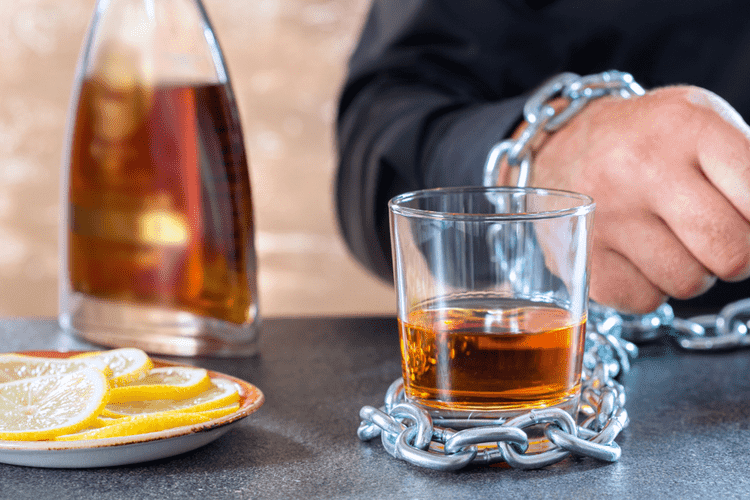

These organizations, the Consortium to Alleviate PTSD and the Long Term Impact of Military-Relevant Brain Injury Consortium-Chronic Effects of Neurotrauma Consortium (LIMBIC-CENC), bring together leading scientists and researchers throughout the nation. They are part of VA and DOD’s efforts to improve access to PTSD services for Veterans, service members, and military families. Alcohol misuse frequently co-occurs with other psychiatric conditions, compounding the challenges of both diagnosis and treatment.
Because there is no single level of care or evidence-based treatment that is recommended for all Veterans, using shared decision-making allows for tailoring of treatment and is a good way to best meet each Veteran’s unique circumstances. MBC can be used to assess progress and to integrate self-reported outcome data into the shared decision-making process. Studies have shown that a traumatic stimulus triggers people with PTSD and an alcohol use disorder to crave alcohol.
Additionally, therapies such as Seeking Safety are designed to be trauma-informed and do not involve exposure, making them suitable for patients who might not tolerate more intense trauma therapies. This triad of neurobiological factors—hyperactive amygdala, underactive prefrontal cortex, and diminished hippocampal volume—combined with neurochemical imbalances creates a feedback loop. The loop sustains heightened stress responses while impairing reward and emotional regulation. The hippocampus, involved in memory formation and contextualizing fear, may also be reduced in volume in individuals with PTSD, which contributes to intrusive memories and flashbacks. Research indicates that approximately 7-8% of the American population will experience PTSD at some point in their lives. For veterans, the numbers are even more daunting, with about 11-20% of those who served in ptsd and alcohol abuse Operations Iraqi Freedom and Enduring Freedom experiencing PTSD in a given year.